
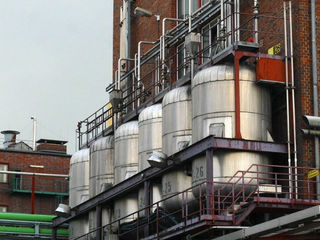
Industrial facilities rely on complex piping systems to transport liquids, gases, steam, and chemicals safely and efficiently. These systems are exposed to changing temperatures, pressure fluctuations, vibration, and external loads that can affect their structural integrity over time. pipe stress analysis services help engineers evaluate these conditions before construction or during facility upgrades, reducing the likelihood of failures and costly downtime.
For industries such as oil and gas, petrochemicals, mining, power generation, and manufacturing, proper engineering analysis is essential to maintain safe operations. A specialized industrial engineering consulting firm headquartered in Calgary, Canada, serving clients across Canada and the United States, focuses on delivering mechanical, structural, and industrial engineering design solutions for heavy industries. Their work emphasizes compliance with recognized North American engineering standards including ASME, API, CSA, and NBCC, ensuring every project meets strict technical and regulatory expectations.
Understanding Pipe Stress Analysis
Pipe stress analysis is an engineering process that evaluates how piping systems respond to different operating and environmental conditions. Engineers study thermal expansion, internal pressure, equipment movement, wind, seismic forces, and support configurations to determine whether a piping system can operate safely throughout its service life. The analysis identifies areas where excessive stress could cause leaks, fatigue, or mechanical failure.
The process combines engineering calculations with specialized simulation software to create accurate models of entire piping networks. These models help engineers optimize layouts, improve support placement, and minimize unnecessary strain on connected equipment. As a result, facilities benefit from safer operations, improved reliability, and reduced maintenance costs over the long term.
Why Heavy Industries Depend on Professional Engineering
Heavy industrial facilities operate under demanding conditions where even a small piping failure can lead to production losses, environmental risks, or safety incidents. Engineering analysis provides valuable insight into how systems perform before they are installed, allowing potential problems to be resolved during the design stage rather than after commissioning.
Unlike firms focused on residential or commercial construction, specialized industrial engineering consultants understand the operational challenges associated with large process plants. Their expertise extends beyond piping to include mechanical equipment, structural systems, industrial layouts, and multidisciplinary coordination that supports complex industrial infrastructure.
Applications Across Different Industries
Industrial piping systems are found in many sectors where fluids or gases must be transported safely under controlled conditions. Refineries, chemical processing plants, power stations, mining operations, fertilizer facilities, and manufacturing plants all require engineered piping networks capable of handling demanding operating environments while maintaining consistent performance.
Every industry presents unique engineering challenges based on temperature ranges, operating pressures, fluid characteristics, and equipment arrangements. Experienced engineering consultants customize their analysis according to project requirements, helping owners improve system efficiency while maintaining compliance with applicable industry regulations and engineering practices.
The Engineering Process Behind Successful Projects
Every successful piping project begins with collecting accurate design information, including equipment locations, operating conditions, material specifications, and support details. Engineers use this information to develop analytical models that predict how the piping system will behave during startup, shutdown, normal operation, and emergency scenarios.
During the engineering review, recommendations may include modifying pipe routing, adding expansion loops, adjusting support spacing, or improving equipment connections. These design improvements help reduce stress concentrations, increase operational reliability, and extend the overall service life of industrial assets without unnecessary overdesign.
Benefits of Professional pipe stress analysis services
Industrial projects benefit significantly when experienced engineering consultants perform pipe stress analysis services during the design phase. Early analysis reduces the likelihood of expensive modifications after construction, improves installation quality, and helps ensure that piping systems perform as intended throughout their operational lifespan.
Working with specialists who understand heavy industrial facilities also provides greater confidence that engineering decisions align with recognized North American standards. Their expertise supports safer operations, protects valuable equipment, and allows project teams to address complex engineering challenges before they become operational issues.
Compliance with North American Engineering Codes
Engineering compliance is one of the most important aspects of industrial project development across Canada and the United States. Industrial facilities are expected to follow established engineering codes that define design requirements, construction practices, inspection procedures, and operational safety standards for piping systems and related infrastructure.
Leading engineering consulting firms perform their work according to recognized standards such as ASME, API, CSA, and NBCC. Compliance with these codes demonstrates that engineering decisions are supported by established technical requirements while helping owners satisfy regulatory expectations, reduce project risks, and improve long-term operational performance.
Regional Considerations for Canada and the United States
Industrial projects in Canada and the United States often face different environmental and operational conditions depending on their geographic location. Cold climates require engineers to consider thermal contraction, freeze protection, and seasonal temperature variations, while facilities in seismic regions require additional structural evaluation to address earthquake loading requirements.
Regulatory expectations may also vary between provinces, states, industries, and project owners. Working with consultants familiar with North American engineering regulations helps ensure that designs remain technically sound while satisfying local permitting requirements, owner specifications, and applicable engineering standards throughout every stage of project development.
Modern Technology in Industrial Engineering
Engineering software has significantly improved the accuracy and efficiency of modern piping analysis. Advanced modeling tools simulate real operating conditions, allowing engineers to evaluate thousands of loading combinations while identifying areas where improvements can enhance system performance and structural reliability.
Digital engineering also supports better collaboration between mechanical, structural, civil, and process engineering teams. Integrated project workflows improve communication, reduce design conflicts, and provide owners with greater confidence that complex industrial systems will function safely once construction is complete.
Choosing the Right Engineering Consulting Partner
Selecting an engineering consulting firm involves more than comparing service offerings. Companies should look for organizations with extensive experience in heavy industrial engineering, multidisciplinary technical capabilities, and a strong understanding of applicable North American engineering codes and industry practices.
The most effective consultants combine practical field knowledge with advanced engineering analysis to deliver solutions that are technically accurate and economically practical. Their ability to coordinate across multiple engineering disciplines contributes to smoother project execution, improved operational performance, and greater confidence throughout the entire project lifecycle.
Conclusion
Industrial facilities require reliable engineering solutions to maintain safe, efficient, and compliant operations throughout the life of their assets. pipe stress analysis services provide the technical foundation needed to evaluate piping performance under real operating conditions, helping organizations minimize risk while improving reliability and long-term productivity.
For companies operating across Canada and the United States, partnering with a specialized industrial engineering consulting firm that focuses on mechanical, structural, and industrial engineering for heavy industries offers significant advantages. With expertise grounded in ASME, API, CSA, and NBCC requirements, professional pipe stress analysis services support smarter engineering decisions, stronger regulatory compliance, and more dependable industrial infrastructure for years to come.